Understanding Hearing Loss: Signs and Solutions
- hearingwellnessto
- May 17
- 4 min read

Hearing loss is a common issue that affects millions of people worldwide. It can range from mild to profound and can significantly impact daily life. Understanding the signs of hearing loss and exploring potential solutions is crucial for maintaining communication and quality of life. In this post, we will delve into the various aspects of hearing loss, including its signs, causes, and available solutions.
Signs of Hearing Loss
Recognizing the signs of hearing loss early can lead to timely intervention and better outcomes. Here are some common indicators:
Difficulty Understanding Speech
One of the first signs of hearing loss is trouble following conversations, especially in noisy environments. You might find yourself asking people to repeat themselves frequently or struggling to catch every word.
Muffled Sounds
If sounds seem muffled or unclear, it could indicate a hearing issue. You may notice that music or television sounds different than it used to, lacking clarity and depth.
Withdrawal from Social Situations
People with hearing loss often withdraw from social interactions due to frustration or embarrassment. If you find yourself avoiding gatherings or feeling isolated, it may be time to assess your hearing.
Tinnitus
Tinnitus is a condition characterized by ringing, buzzing, or hissing sounds in the ears. It can be a sign of hearing loss and may accompany other symptoms.
Increased Volume
If you frequently turn up the volume on your television or radio, it might indicate that your hearing is diminishing. Friends or family may comment on the excessive volume, which can be a red flag.
Causes of Hearing Loss
Understanding the causes of hearing loss can help in prevention and management. Here are some common factors:
Age-Related Hearing Loss
Presbycusis, or age-related hearing loss, is a natural part of aging. It typically affects both ears and can lead to gradual hearing loss over time.
Noise-Induced Hearing Loss
Exposure to loud noises, whether from machinery, concerts, or headphones, can damage the hair cells in the inner ear, leading to permanent hearing loss.
Ear Infections
Chronic ear infections can cause temporary or permanent hearing loss, especially in children. They can lead to fluid buildup and damage to the eardrum.
Genetic Factors
Hearing loss can run in families. If you have a family history of hearing issues, you may be at a higher risk.
Medical Conditions
Certain medical conditions, such as diabetes or high blood pressure, can contribute to hearing loss. Medications, particularly ototoxic drugs, can also affect hearing.
Solutions for Hearing Loss
If you suspect you have hearing loss, it’s essential to seek professional help. Here are some solutions that can improve your hearing experience:
Hearing Aids
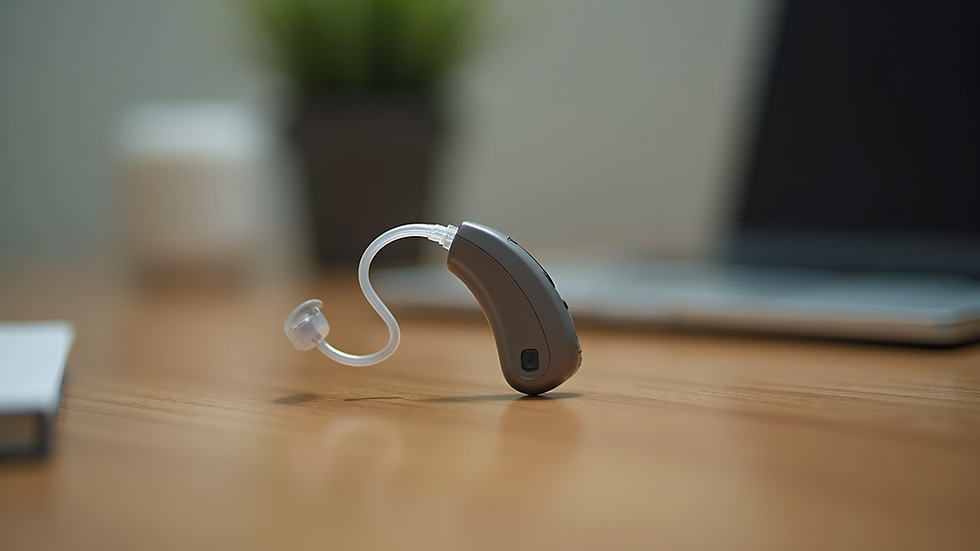
Hearing aids are small electronic devices that amplify sound. They can be customized to fit your specific hearing needs. There are various types available, including:
Behind-the-ear (BTE): These sit behind the ear and are suitable for most types of hearing loss.
In-the-ear (ITE): These fit directly in the outer ear and are less visible.
Receiver-in-canal (RIC): These have a small speaker in the ear canal, providing a more natural sound.
Cochlear Implants
For those with severe to profound hearing loss, cochlear implants may be an option. These devices bypass damaged portions of the ear and directly stimulate the auditory nerve.
Assistive Listening Devices
These devices can help in specific situations, such as watching television or attending lectures. Examples include FM systems, infrared systems, and induction loop systems.
Communication Strategies
Improving communication can significantly enhance your social interactions. Here are some strategies:
Face the speaker: This allows you to read lips and see facial expressions.
Reduce background noise: Choose quieter environments for conversations.
Use clear speech: Encourage others to speak clearly and at a moderate pace.
Regular Hearing Check-ups
Regular hearing assessments can help monitor your hearing health. Early detection can lead to more effective management and treatment options.
Lifestyle Changes for Better Hearing Health
In addition to medical solutions, certain lifestyle changes can support hearing health:
Protect Your Ears
Avoid exposure to loud noises whenever possible. If you must be in a noisy environment, wear ear protection such as earplugs or noise-canceling headphones.
Maintain a Healthy Diet
A balanced diet rich in vitamins and minerals can support overall health, including hearing. Foods high in antioxidants, omega-3 fatty acids, and vitamins A, C, and E are particularly beneficial.
Stay Active
Regular physical activity improves circulation, which can positively impact ear health. Aim for at least 150 minutes of moderate exercise each week.
Avoid Smoking
Smoking has been linked to an increased risk of hearing loss. Quitting smoking can improve your overall health and potentially protect your hearing.
Manage Stress
Chronic stress can affect your overall well-being, including your hearing. Engage in stress-reducing activities such as yoga, meditation, or hobbies you enjoy.
The Importance of Early Intervention
Early intervention is crucial for managing hearing loss effectively. The sooner you address the issue, the better your chances of maintaining communication and quality of life. If you notice any signs of hearing loss, don’t hesitate to consult a healthcare professional.
Conclusion
Hearing loss is a prevalent issue that can significantly impact daily life. By recognizing the signs and understanding the causes, you can take proactive steps toward finding solutions. Whether through hearing aids, cochlear implants, or lifestyle changes, there are numerous options available to improve your hearing health. Remember, early intervention is key. If you suspect you have hearing loss, seek professional help today to ensure a better tomorrow.


Comments