How to Choose the Right Hearing Aids
- hearingwellnessto
- May 17
- 4 min read

Hearing loss can significantly impact your quality of life, making it essential to find the right hearing aids that suit your needs. With numerous options available, the process can feel overwhelming. This guide will help you navigate the choices and make an informed decision.

Understanding Hearing Loss
Before diving into the specifics of hearing aids, it’s crucial to understand the types of hearing loss:
Conductive Hearing Loss: This occurs when sound waves cannot efficiently travel through the outer ear canal to the eardrum and the tiny bones of the middle ear. It can often be treated medically or surgically.
Sensorineural Hearing Loss: This type is due to damage to the inner ear or the auditory nerve. It is usually permanent and often requires hearing aids for management.
Mixed Hearing Loss: This is a combination of conductive and sensorineural hearing loss.
Recognizing the type of hearing loss you have will guide you in selecting the appropriate hearing aids.
Types of Hearing Aids
Hearing aids come in various styles, each designed to meet different needs and preferences. Here are the most common types:
Behind-the-Ear (BTE)
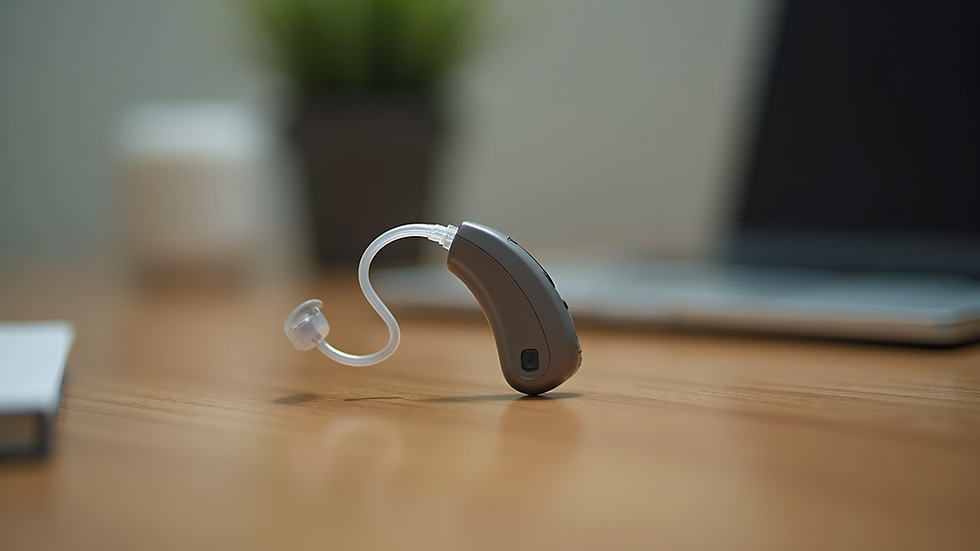
BTE hearing aids sit behind the ear and connect to a custom earpiece. They are suitable for all types of hearing loss and are often more powerful than other styles.
In-the-Ear (ITE)
ITE hearing aids fit directly in the outer ear and are less visible than BTE models. They are suitable for mild to severe hearing loss.
In-the-Canal (ITC)
ITC hearing aids are smaller and fit partially in the ear canal. They are less visible but may not have as much amplification power as larger models.
Completely-in-Canal (CIC)
CIC hearing aids are the smallest and fit entirely within the ear canal. They are discreet but may be challenging to handle and adjust.
Receiver-in-Canal (RIC)
RIC hearing aids have a small speaker in the ear canal connected to a device behind the ear. They offer a natural sound quality and are suitable for various hearing loss levels.
Key Features to Consider
When choosing hearing aids, consider the following features that can enhance your experience:
Sound Quality
Look for hearing aids that provide clear sound quality. Some models offer advanced technology that can filter background noise, making conversations easier.
Connectivity
Many modern hearing aids come with Bluetooth connectivity, allowing you to connect to smartphones, TVs, and other devices. This feature can enhance your listening experience.
Battery Life
Consider whether you prefer rechargeable batteries or traditional disposable ones. Rechargeable batteries can be more convenient, but disposable batteries may last longer.
Size and Style
Choose a style that fits your lifestyle. If discretion is essential, smaller models may be preferable. However, larger models often offer more features and better sound quality.
Customization
Look for hearing aids that can be programmed to your specific hearing loss profile. Many audiologists can customize settings based on your preferences and environment.
The Fitting Process
Once you’ve selected a hearing aid, the fitting process is crucial. Here’s what to expect:
Hearing Test: An audiologist will conduct a hearing test to determine the extent of your hearing loss.
Selection: Based on your hearing test results, the audiologist will recommend suitable hearing aids.
Fitting: The audiologist will fit the hearing aids to ensure comfort and proper placement.
Adjustment: After wearing the hearing aids for a few weeks, you may need to return for adjustments to optimize performance.
Follow-Up: Regular follow-ups are essential to ensure your hearing aids continue to meet your needs.
Cost Considerations
Hearing aids can be a significant investment. Here are some factors that influence the cost:
Type of Hearing Aid: BTE models tend to be more expensive than smaller models due to their advanced technology.
Features: Additional features like Bluetooth connectivity and noise cancellation can increase the price.
Insurance Coverage: Check with your insurance provider to see if hearing aids are covered under your plan.
Warranties and Service Plans: Consider purchasing a warranty or service plan for maintenance and repairs.
Tips for Choosing the Right Hearing Aids
To help you make the best decision, here are some practical tips:
Consult an Audiologist: A professional can guide you through the selection process and ensure you choose the right model for your needs.
Try Before You Buy: Many audiologists offer trial periods for hearing aids. Take advantage of this to see how they fit into your daily life.
Consider Your Lifestyle: Think about your daily activities and choose hearing aids that will work well in various environments, such as quiet settings or noisy restaurants.
Read Reviews: Look for user reviews and testimonials to gain insight into the performance and reliability of different models.
Stay Informed: Keep up with advancements in hearing aid technology, as new features and improvements are continually being developed.
Common Myths About Hearing Aids
There are several misconceptions about hearing aids that can deter individuals from seeking help. Here are a few myths debunked:
Myth 1: Hearing aids are only for the elderly.
Fact: Hearing loss can affect people of all ages, and many young individuals benefit from hearing aids.
Myth 2: Hearing aids will restore hearing to normal.
Fact: Hearing aids amplify sound but do not cure hearing loss. They can significantly improve hearing ability.
Myth 3: Hearing aids are too expensive.
Fact: While some models can be costly, there are affordable options available, and many insurance plans offer coverage.
Conclusion
Choosing the right hearing aids is a personal journey that requires careful consideration of your specific needs and lifestyle. By understanding the types of hearing aids, their features, and the fitting process, you can make an informed decision that enhances your hearing experience. Remember to consult with an audiologist and take advantage of trial periods to find the best fit for you. Your hearing health is vital, and the right hearing aids can make a significant difference in your quality of life.
Take the first step today by scheduling a hearing test and exploring your options. Your journey to better hearing starts now!

Comments